
Does Employee Monitoring Actually Hurt Productivity? Here's What the Data Says
Is employee monitoring software actually working against the productivity it’s supposed to protect?
Trusted By Over 223+ Companies


Is Employee Monitoring Software Actually Hurting Productivity?
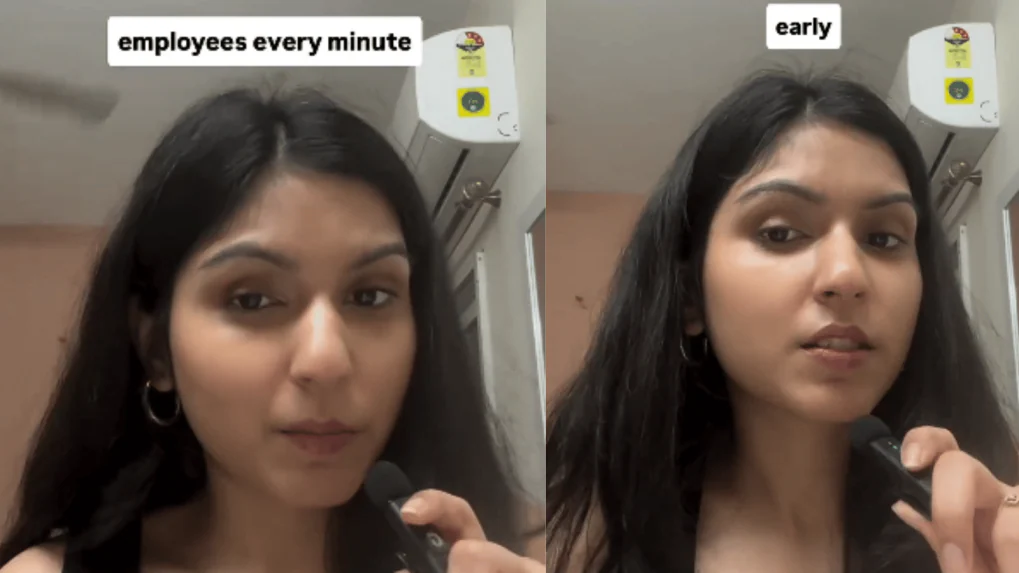
A recent story out of Delhi went viral for a familiar reason: an employee said her company's tracking software — screenshots every few minutes, constant activity logging — was making her less productive, not more. It's not an isolated complaint. Similar stories have surfaced from Tim Lee, a graduate who called his employer's keystroke-and-webcam setup "dystopian," to a UK Trades Union Congress poll finding that 60% of employees reported being tracked at work in a single year.
The pattern is consistent enough that it's worth asking the uncomfortable question directly: is employee monitoring software actually working against the productivity it's supposed to protect?
The short answer is — it depends entirely on what you're monitoring, and how.
Why "Watching Harder" Backfires
ADP’s People at Work 2025 report put a number on the problem: employees who feel constantly watched are nearly three times less likely to report high productivity than those who don’t feel surveilled — and more than three times as likely to report daily stress. The mechanism isn’t mysterious. When monitoring is framed as surveillance rather than support, employees respond in one of two ways:
They perform for the tracker, not for the work. Multiple reports describe employees pausing tracking software during genuinely productive activities — a client call, a moment of focused thinking away from the keyboard — because those activities don’t register as “active” time. The result: people work more hours to compensate for time the software didn’t count, not because they were actually less productive.
They disengage. Constant screenshot capture and keystroke logging signal one thing to an employee: we don’t trust you. That erodes the exact discretionary effort — going the extra mile, flagging a problem early, helping a teammate — that no monitoring tool can measure but every manager depends on.
This is the paradox at the center of the current backlash: tools built to increase accountability often end up measuring activity while quietly destroying the trust that produces output.
The Real Data Companies Are Missing
None of this means monitoring itself is the problem — the ADP research is careful to point this out. What actually predicts productivity isn’t the presence of a tracking tool; it’s whether employees understand what’s expected of them. The same report found that employees with clear expectations were 3.7 times more likely to report high productivity than those without — regardless of how closely they were watched.
In other words: the companies getting burned by the “surveillance backlash” usually aren’t wrong to want visibility into remote and hybrid work. They’re using the wrong kind of visibility — snapshot-based surveillance instead of pattern-based insight.
The first column is what’s showing up in viral Instagram and TikTok posts right now. The second is what actually moves productivity numbers — because it gives managers the same information without making employees feel like they’re being watched through a keyhole.
| Surveillance-style monitoring | Insight-driven productivity analytics |
|---|---|
|
Screenshots every 10 minutes |
Aggregated activity trends over time |
|
Keystroke and webcam logging |
Application and website usage patterns |
|
Data visible only to management |
Dashboards employees can see too |
|
Framed as “catching” low performers |
Framed as identifying workflow bottlenecks |
|
One-size-fits-all for every role |
Configurable to how a team actually works |
This is exactly the gap a platform like Worktrak is built to close — real-time productivity analytics and attendance insight for remote, hybrid, and outsourced teams, without turning every workday into a surveillance exercise. Instead of raw screenshot logs, Worktrak surfaces active-vs-idle trends, application and website usage patterns, and productivity reports that help managers spot real workflow issues — the kind of insight that builds accountability without destroying trust.
The Bottom Line

The Delhi interview story, the TikTok “dystopian tracker” post, the Guardian’s reporting on employees gaming their trackers — these aren’t outliers. They’re a signal that the market has grown skeptical of monitoring-as-surveillance, at exactly the same time that distributed work has made some form of visibility non-negotiable for most growing teams.
The companies that win this moment won’t be the ones that monitor the least, or the most — they’ll be the ones that are transparent about what they track and why, and that use the data to support people rather than police them.
Managing a remote or hybrid team and not sure whether your current tracking approach helps or hurts productivity? See how Worktrak’s productivity analytics work — built for visibility without the surveillance backlash.
Everything you need, without the extra weight.
No extras. No distractions. Only essentials.
Worktrak takes a thoughtful approach to productivity monitoring. It keeps things simple by offering the features that matter most, so businesses can stay efficient, control costs, and get the insights they need without dealing with unnecessary complexity.
It’s a product built to support your team, not overwhelm it. The result is a platform that feels lighter, works faster, and delivers value where it counts most.